
EN
The Vent Behind the Spice Rack

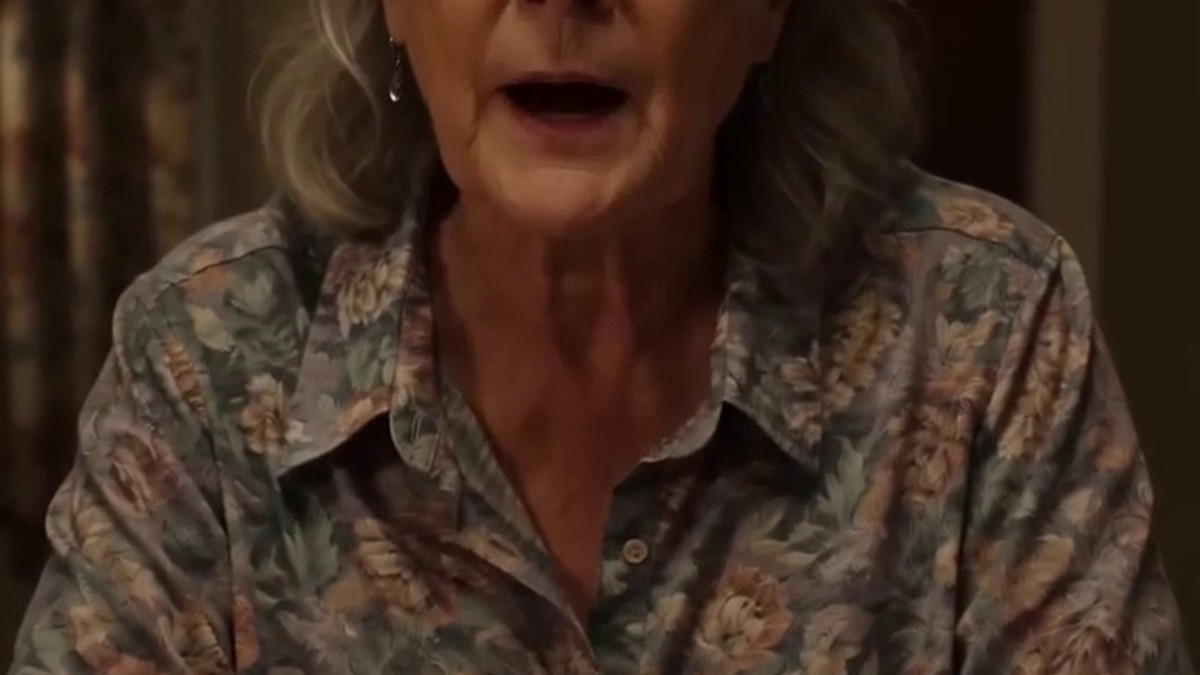
Seventy-two years old, and I found out my future had already been decided over cold gravy and someone else's second helping of pumpkin pie.
Thanksgiving. My three kids came with their spouses. The grandkids were in and out of the backyard, tracking leaves onto my kitchen floor. I'd done the whole spread—turkey, mashed potatoes, green bean casserole with those fried onions on top, the works. After dinner I went to my bedroom to grab a sweater for the baby because the temperature had dropped. That's when I heard them. My bedroom shares a vent with the kitchen. I'd never noticed how sound traveled through it until that exact moment.
David, my oldest, was saying it made more sense for me to move in with Susan, since she had that big house in Mount Lebanon with the finished basement. Susan said she worked twelve-hour shifts at Allegheny General and could barely keep up with her own kids' basketball schedules. Kevin said his place was a two-bedroom over in Lawrenceville and Ashley would pack her bags if I moved in. They weren't being cruel. That was the thing. They were being practical. Like I was a piece of furniture nobody had room for.
Susan suggested selling my house to pay for a place. David said they should do it sooner rather than later, before things got harder. Kevin asked what would happen to the inheritance.
I sat on my bed with that sweater in my hands and I didn't move. The house I'd paid off eleven years ago after Frank died. The kitchen where I'd taught all three of them to roll pierogi dough. The backyard where David got married under the maple tree. And now I was a line item in somebody's budget spreadsheet.
I went back out to the kitchen like nothing happened. Poured coffee. Cut the pie. Hugged everyone goodbye at the door. That night I didn't sleep. I pulled the accordion folder from the hall closet—birth certificate, marriage license, Frank's death certificate from 2009, the deed to the house. I spread it all across the dining room table and started doing math.
The house appraised at two hundred forty-seven thousand. My Social Security came to one thousand eight hundred seventy a month. I had eighty-three thousand in savings. Over the next three weeks I visited eight different places—assisted living facilities, nursing homes, and one spot out in the North Hills that a woman from church told me about. A senior cooperative. Each person had their own one-bedroom apartment. There was a common dining room, a nurse on staff, a ceramics studio, and raised garden beds out back. You could live there while you were still independent, then transition to more care as needed. The buy-in was steep—one hundred seventy-eight thousand from the sale of a house, plus a monthly maintenance fee. But it was mine. My name on the lease. My decision.
I told the kids at Sunday dinner three weeks later. I'd made pork chops and sauerkraut. I put the brochure on the table next to the applesauce.
David looked at it like I'd handed him a court summons. "You're being impulsive, Mom."
Susan's voice went high and tight. "Why didn't you talk to us first?"
Kevin didn't look up from his plate. "So what happens to the house? Who gets what?"
I told them I'd heard everything through the vent on Thanksgiving. The kitchen went still enough that I could hear the ice maker in the freezer.
Susan started crying. "We weren't trying to get rid of you. We were just worried. You've been forgetting things. You left the stove on last month."
I told her I understood. I did. But I was still alive. I still had a brain in my head. And I had the right to decide where I was going to spend whatever years I had left.
The sale closed in February. I packed the small stuff—photo albums, my mother's china, the quilt Frank's mother made before she died. I gave away most of the furniture to a young couple from the church who'd just bought their first house in Brentwood. The rest went to Goodwill. The day I locked the door for the last time, I stood on the porch for a long while. The realtor had put a lockbox on the doorknob. My keys didn't work anymore. That was the hardest part—not the move itself, but the feeling of being a stranger in a house where I'd lived for forty-one years.
The new apartment smelled like fresh paint and new carpet. The first two weeks I woke up not knowing where I was. I'd reach for the lamp on the left side of the bed, but it was on the right. I'd walk to what I thought was the bathroom and find a pantry instead.
But I got used to it. I met a woman named Ruth who'd taught algebra in Philadelphia for thirty years. We started doing the morning crossword together in the common room. I joined the ceramics class and made a lopsided bowl that my granddaughter uses for her hair ties. I planted cherry tomatoes in a raised bed behind the building. The cooperative had a van that took us to doctor's appointments, so I didn't have to wait for David to get off work or Susan to switch shifts at the hospital.
The kids visit now. At first they came with their shoulders up around their ears, like they were waiting for me to yell at them. Now we drink coffee on the patio. David fixed my bookshelf last month, tightening the wobbly bracket he'd been putting off for years. Susan brought me a teapot that actually keeps the tea warm. Kevin came alone once, without Ashley, and sat with me for two hours watching the Steelers game, splitting a bag of pretzels between us on the couch.
Last Tuesday I signed the paperwork. Susan is now my medical power of attorney. David is my financial power of attorney. I put both papers in a folder and slid it across the table at dinner. "These are my decisions," I told them. "You're here to carry them out, not to make them for me. Not until I can't make them anymore."
Then I poured myself another cup of coffee and watched my kids read the papers in silence. The only sound was the ice maker kicking on in the kitchen.




Sul monitor comparve il nome di Anna Bellini
Sul monitor comparve il nome di Anna Bellini. Il veterinario compose il numero associato al microchip e, quando rispose un...


Il nuovo vicino le consegnò un elenco di 12 reclami dopo appena otto giorni
«Al punto nove dice che scarico l’acqua della lavatrice nel suo terreno.» Lucia sollevò lo sguardo dal foglio. «Mi porta...


Quando torni a casa, trovi tuo figlio seduto sul pavimento della cucina
Quando torni a casa, trovi tuo figlio seduto sul pavimento della cucina. Ha un cacciavite in mano e lo sportello...


La prima volta che trovai il gatto nella culla, mio nipote doveva ancora nascere.
La prima volta che trovai il gatto nella culla, mio nipote doveva ancora nascere. Milo si era sistemato proprio al...


Via Cibrario era il nostro indirizzo.
«Chi è Beatrice Riva?» chiesi. Marco voltò il telefono verso il petto. Avevo già letto il nome. Sotto c’era scritto...


The Ledger on Willow Street
I keep the notebook in the kitchen drawer, next to the takeout menus, where I can find it without looking....
Il primo arriva alle nove e un quarto, sotto forma di un ombrello giallo.
Il primo arriva alle nove e un quarto, sotto forma di un ombrello giallo. Sei ferma sulla soglia del panificio,...


L’uomo che aveva lasciato Toby nel parcheggio era lo stesso che, poche ore prima, aveva promesso a sua madre di riportarglielo a casa.
L’uomo che aveva lasciato Toby nel parcheggio era lo stesso che, poche ore prima, aveva promesso a sua madre di...