
EN
The Ink Was Still Wet

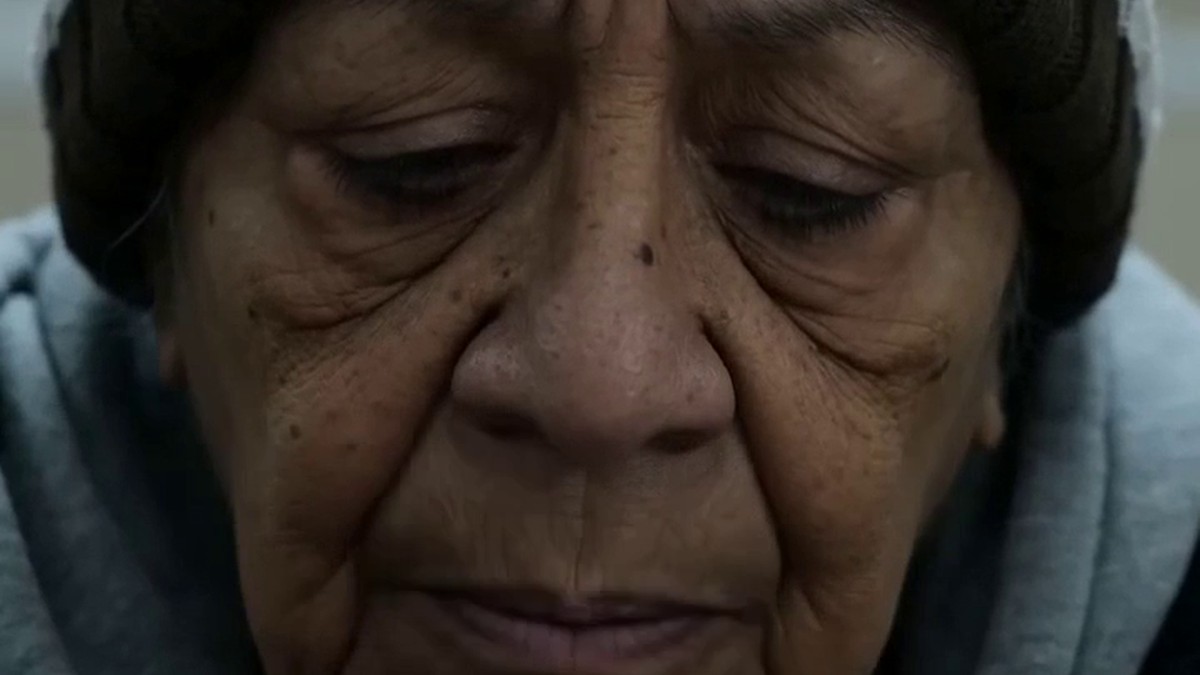
I’ve worked at the county clerk’s office in Elkhart, Indiana for nine years, and I’ve learned that the same walls absorb every kind of human noise: baby sneezes, wedding-party laughter, the scratch of pens that aren’t writing fast enough. On a Tuesday in March, the hallway smelled like wet wool and the burnt coffee from the machine by the recycling bin. We always keep a plastic fern on the counter because someone thought it made the place feel less like a DMV. It doesn’t.
That Tuesday, a man in a gray Carhartt jacket rolled a leather portfolio against the counter like he was closing a deal. He had the kind of face that makes you check your own pocket for your phone. I was behind the glass, sorting a stack of property transfer forms that needed notarizing before noon. The sign above my head says “Services Provided in English and Spanish,” a relic from when the RV factories brought in more people from Texas and Chihuahua. I don’t use the Spanish much anymore, but I still keep the sign because it makes my supervisor feel inclusive.
The man — his name was Mike, I learned later — set an accordion folder on the counter and tapped the edge with two fingers, like he was counting out rhythm. “I need this witnessed,” he said. “The old lady’s outside in the car.”
“The old lady has to be here in person,” I told him.
He made a sound with his teeth, like a zipper pulling against a snag. Then he went out, the glass door chuffing shut behind him, and came back with a woman on his arm. She wore a Pittsburgh Steelers beanie with a pom-pom the size of a fist, and she held the flap of her coat with a hand that had the tissue-paper thinness of someone who’s been in and out of hospitals. She folded into the chair across from my window.
“This is my aunt Edna,” Mike said. “She’s transferring the house. It’s all agreed.”
I didn’t look at him. I looked at Edna, who was unbuttoning her coat with the slowness of someone who’s learned not to trust her own fingers after a stroke. The house in question was a two-story on Prairie Street, the one with the metal rooster on the porch and the American flag that never comes down, even in February rain. I knew the house because my son played Little League with a boy who lived two doors down. Edna’s husband, a Marine who’d done two tours in Iraq, had died the previous October. I’d seen the obituary in the *Elkhart Truth*: survived by his wife, his dog, and a nephew named Michael.
Mike pushed a folded document across the counter. “Just needs a signature and someone to say she signed it.”
I pulled the document around to face me. It was a quitclaim deed, standard form, but the attorney’s name at the top was a firm in Fort Wayne I’d never heard of, and the notary block was blank. The legal description of the property was typed in a font slightly different from the rest of the text, like someone had cut and pasted it from elsewhere. I’d seen that three times in nine years. Every time, the ink was still wet from the printer when I called the sheriff.
I asked for Edna’s ID. She dug through a purse that had a leather strap held together with a safety pin and set her driver’s license on the counter. The photo showed her with gray roots and a smile that didn’t reach her eyes, the way DMV photos do. I copied it and slid the license back.
“Mrs. Alvarez,” I said, “do you understand what this document does?”
Mike’s hand flattened on the counter. “She knows. She’s been living with me since the funeral. I’ve been taking care of everything.”
Edna spoke for the first time. Her voice had the sandpaper grain of someone who doesn’t use it enough. “Mike says the taxes are coming due.”
“The taxes were paid through March,” I said. I knew because my sister worked in the assessor’s office and complained about the late-fee calls on that exact property. “Edna, what is this transfer supposed to accomplish?”
She looked at her hands. The knuckle on her ring finger was swollen, the skin stretched over it like a berry about to split. “Mike says the house should be in his name so the state can’t take it if I go to a home.”
Ah. There it was. The old routine: the helpful relative, the vague threat of Medicaid estate recovery, the deed that conveniently transfers everything before the ink has time to dry on the death certificate. It was the plot of every bad Hallmark movie I’d ever half-watched in the break room, but in real life the victim was wearing a Steelers beanie and clutching a bag with a safety pin.
I pulled a blank form from under the counter. “Mrs. Alvarez, before I can notarize anything, I’m required to verify that you’re not under duress.” I said it to her, but my eyes went to Mike. He’d started tapping the accordion folder again.
“She’s not under duress,” he said. “I drove her here. I took the day off work. I’m the one paying the gas.”
The door to the clerk’s office opened and a woman in a navy peacoat came in, pulling off gloves with her teeth. It was Denise from the elder law clinic at the public library, the one that runs free consultations on the second Wednesday of every month. I hadn’t called her. I didn’t know she was coming. But the timing landed like a fist on the table.
Denise took one look at Edna, one look at Mike, and one look at the quitclaim deed on my counter. She didn’t say anything. She just pulled a chair up next to Edna and sat down, crossing her ankles.
Mike’s face went the color of the plastic fern. “This is a private matter.”
Denise said, “So is a house that’s been in a family for forty years.” She opened a folder of her own. “Edna, I’m Denise. I help people understand documents before they sign. We’ve got plenty of time.”
Edna turned to her with the same expression my son had when he found a five-dollar bill in his coat pocket. Not relief, exactly — more like the beginning of an idea. She reached into her purse and pulled out a crumpled envelope with the logo of the Veteran’s Affairs office. She squared it on the counter like she was setting down a playing card.
Inside was a letter from the VA dated four days earlier. It said Edna was the sole beneficiary of her husband’s service-connected disability payment, a lump sum of forty-seven thousand dollars, plus a monthly survivor benefit. The house on Prairie Street was already paid off in full — she’d handled that with her husband’s life insurance. There had been no need for Mike’s tax story. No need for the quitclaim deed. The state couldn’t take the house because Edna wasn’t going to a home; she was staying right where she was, with the metal rooster and the flag that never came down.
I looked at Mike. His hand had stopped tapping. The accordion folder was open, and I could see the edge of a second quitclaim deed inside, this one already notarized. I didn’t ask who signed it. I didn’t have to.
“Mrs. Alvarez,” I said, “you don’t have to sign anything today.”
She didn’t. She asked me to make a copy of the VA letter, which I did, and she folded the original back into her purse. Then she stood, zipped her coat, and walked toward the door. Mike followed her, his footsteps flat and hard on the linoleum. He didn’t touch the accordion folder. It sat on the counter, half-open, like a fish gasping.
The last thing I saw through the glass door: Edna got into the passenger seat of Mike’s truck and shut the door. Then she reached across and locked it from the inside. Mike was still standing on the sidewalk, his keys in his hand, staring at the locked door through the driver’s side window.
The accordion folder stayed on my counter for two hours. I finally closed it and put it in the lost-and-found bin under the counter, next to a single glove and a pair of reading glasses nobody ever claimed. Denise handed me a card. “Call if he comes back,” she said. She left without another word, and the air in the office settled like dust after a slammed door.
At four-thirty, when I was locking up, a county deputy stopped by to ask about an unrelated fraud case. I pointed to the accordion folder. “You might want to look at that,” I said. “Found it on the counter this afternoon.” The deputy opened it, saw the two quitclaim deeds, and let out a breath. “This is a whole can of worms,” he said.
“Forty-seven thousand dollars’ worth,” I said.
I didn’t go home right away. I sat in my car in the parking lot, the engine idling, and watched the gray sky turn the color of cold concrete. On the passenger seat lay a copy of the VA letter that Edna had asked me to make and then, on her way out, had said, “You keep it, honey. In case anybody asks.”
I folded it twice and put it in my glove box, next to the registration and a pen that still worked. Then I drove home, past the house on Prairie Street, where the flag hung still in the damp air and the metal rooster stood on the porch like it had never been anywhere else. The truck wasn’t in the driveway. The lights were on inside, and a shadow moved behind the kitchen curtain, back and forth, slow and steady, like someone making coffee for one.




Il guanto nell’armadio di Villa Caprile
L'aula del Tribunale di Verona era piena fino all'ultimo posto quel martedì di novembre. Giornalisti con i taccuini pronti, avvocati...


Chi comandava l’irrigazione
— Io faccio la grigliata con le amiche, e tu vai a bagnare le aiuole! — buttò lì Marisa, mentre...


Il bracciale di mia madre, e la restituzione che mi ha zittito
Mi chiamo Enzo Ferraris, ho quarantatré anni, faccio il geometra a Verona, e per sei anni ho avuto una nuora...


Il foglietto nel taschino del camice
Lavoro da diciassette anni come infermiera caposala in cardiologia in un ospedale di Bologna, e ho imparato una cosa: gli...


Il violino di Kalista e i soldi che Brennan non capì mai
Il violino di Flavia e i soldi che Edoardo non capì mai Il salone del Grand Palazzo Visconti, al settimo...
Alle sette e dieci Teresa annullò il bonifico che faceva a Matteo il primo di ogni mese.
Alle sette e dieci Teresa annullò il bonifico che faceva a Matteo il primo di ogni mese. Erano trecento euro....
La sciarpa arancione di Adele si impigliò nella cassetta della posta proprio mentre lei cercava di uscire dal portone
La sciarpa arancione di Adele si impigliò nella cassetta della posta proprio mentre lei cercava di uscire dal portone. Tirò...
Mia madre si infilò il telefono nella tasca del grembiule.
Mia madre si infilò il telefono nella tasca del grembiule. — Lascia stare. Quella gente è venuta da fuori. Ormai...