
EN
The Second Spring of Carol Hatfield

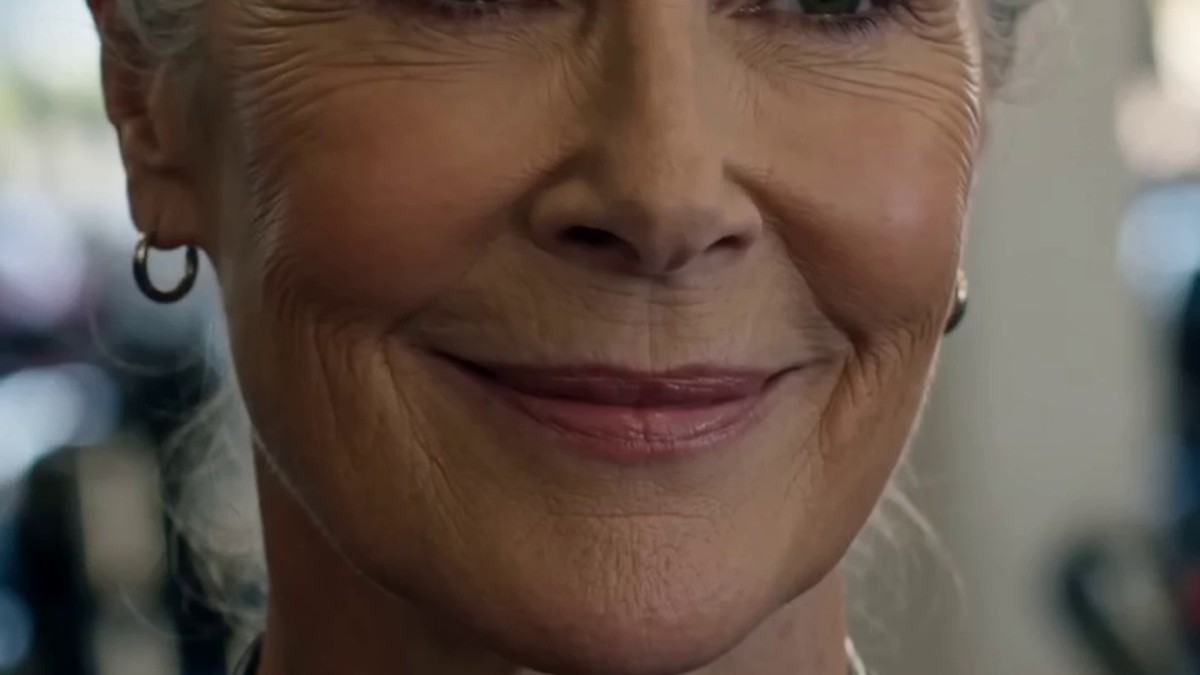
Carol Hatfield turned sixty-three on a Tuesday in March, standing in the kitchen of her house on Linden Avenue in Dayton, Ohio, holding a mug that said WORLD'S OKAYEST GRANDMA, a gift from her daughter that had sat unused in a cabinet for two years. She finally used it that morning. The coffee was bad — she'd burned it on the stove because the automatic pot broke in January and she hadn't bothered replacing it — but she drank it anyway, looking out at the maple tree that hadn't dropped a single leaf of its seed pods from the storm last fall.
For thirty-one years, Carol had run the front desk at Fenwick Dental Group, scheduling appointments, fielding insurance calls, smiling at people who were often in pain. She raised two kids on that income plus her late husband Russell's pension from the GM plant in Moraine. Russell died eight years ago of a heart attack in the garage, wrench still in his hand, fixing a lawnmower that didn't need fixing. Carol kept the lawnmower. She never used it. It sat under a tarp by the shed, a kind of shrine she didn't examine too closely.
Her daughter Denise, thirty-eight, lived twenty minutes away in Kettering with her husband and two kids, and she'd taken to calling Carol every Sunday at four o'clock with the same question: "Mom, have you thought about Willowbrook?" Willowbrook was the assisted living facility on Far Hills Avenue, the one with the brochure full of gray-haired people playing bingo under fluorescent lights. Denise meant well. Denise always meant well. That was the maddening part.
"I'm not moving into a facility because I turned sixty-three," Carol told her that Sunday, the phone pressed between her shoulder and ear while she scrubbed a pan. "I can still climb a ladder."
"You fell off a ladder in October, Mom."
"I fell off a stool. There's a difference."
Denise sighed the particular sigh of a daughter who has already lost the argument but doesn't know it yet.
The thing Denise didn't understand — the thing nobody under fifty seems to understand — is that there's a version of getting older that has nothing to do with slowing down. Carol had spent forty years of her life explaining herself. To Russell's mother, who never thought she was good enough for her son. To her boss at Fenwick, who scheduled her lunch breaks like she was a student. To the other moms at Denise's school functions, who judged her for working full-time instead of baking for the fall festival. She'd spent so long shrinking herself to fit into rooms that she'd forgotten what the actual shape of her was.
Then Russell died, and something strange happened. Grief didn't just hollow her out. It also, eventually, cleared something out of the way.
It started small. She stopped dyeing the gray out of her hair, and when people asked if something was wrong, she said no, she was just done pretending. She bought a motorcycle — a used Honda Rebel, candy-apple red, from a guy named Pete who ran a repair shop off Route 4 — and took a riding course at the community college with eleven men in their twenties who called her "ma'am" until she outperformed half of them on the parking lot slalom. She signed up for pottery classes at the Dayton Art Institute on Wednesday nights and made a lopsided bowl that she kept her car keys in. She told her sister Dot, who'd been giving her unsolicited advice for fifty years, that she loved her but she'd stopped asking for her opinion, and meant it, and the sky did not fall.
She told Denise, eventually, about the motorcycle. That Sunday call didn't go well.
"You could get killed, Mom. Do you understand that? What if something happens to you and the kids don't have a grandma?"
"Denise. I buried your father. I know exactly what it costs to lose someone. I'm not being careless. I'm being alive."
"That's not the same thing."
"It's exactly the same thing."
There was a long pause on the line. Carol could hear her granddaughter, Maisie, laughing at something in the background, the clatter of a dinner being made. She pictured Denise standing at her own kitchen counter, forty minutes from turning into every mother who ever worried herself into a smaller life, and Carol felt something crack open in her chest that was almost grief and almost love at the same time.
"I'm not trying to scare you by living, honey," Carol said. "I spent thirty years scared for other people. I'd like a few years where I get to be the one who isn't."
Denise didn't call the following Sunday. Carol noticed, and it hurt, the particular silence of a phone that usually rings at four.
She rode the Rebel out to Yellow Springs that Sunday instead, parked outside a coffee shop on Xenia Avenue, and ordered a cappuccino she drank slowly at a metal table on the sidewalk, watching strangers walk their dogs. A man about her age, with a cane and a Cincinnati Bengals cap, struck up a conversation about the bike. His name was Walt. He'd ridden Harleys for forty years before his knees gave out and he had to sell the last one. He talked about it the way some men talk about a woman they loved and lost. Carol listened, and then told him about Russell, about the lawnmower under the tarp, about how she still hadn't moved it, and Walt said, "Some things you don't move. You just stop needing to."
She thought about that the whole ride home.
The following Sunday the phone rang at four, right on schedule. Denise's voice was thinner than usual, and underneath the complaint about Maisie's soccer schedule and a leak under the kitchen sink, Carol heard something else — not disapproval this time, something closer to fear dressed up as logistics.
"Mom, I looked up the brochure for Willowbrook again, and I just — I don't want to lose you the way we lost Dad. Fast. No warning."
Carol set down the lopsided pottery bowl she'd been using to sort her mail and sat on the edge of the kitchen chair that still wobbled on one leg, the one Russell never got around to fixing.
"Denise, listen to me. Your father died doing something small, fixing a mower nobody needed fixed, because he never let himself do anything that scared him or mattered to him. He worked, and he provided, and he loved us, and he never once in thirty-five years asked for anything for himself. I watched that happen for three decades and I am not doing it. I rode a motorcycle to Yellow Springs and drank a cappuccino and talked to a stranger about his knees, and it was the best Sunday I've had in years. I'm not reckless. I'm paying attention, finally, to what I want instead of what keeps everybody else comfortable."
The line was quiet for a while. Then Denise said, "Can I come with you next time? On the bike, I mean — not on it, behind you, whatever that's called."
"On the back," Carol said. "And yes. Wear jeans. No skirts."
They went the next Sunday, Denise's arms around her mother's waist, both of them laughing when a pickup honked at them near the Spring Valley Paintball sign, the wind loud enough that neither of them had to explain anything to the other for forty-five minutes straight. Afterward, at the same metal table outside the coffee shop, Denise asked about Willowbrook one more time, quieter now, less of an argument and more of an actual question.
Carol pulled a folder out of her saddlebag — she'd started keeping one, after the lawyer in Fairborn had drawn it up two weeks earlier — and set it on the table between the coffee cups. Inside was the updated power of attorney, naming Denise, and underneath it, a signed letter addressed to Fenwick Dental Group, giving notice, effective in sixty days, and a single printed page from a community college catalog with a Spanish class circled in blue pen.
"I'm not going to Willowbrook," Carol said. "I'm not falling apart, and I'm not going to pretend I might, just so you can sleep easier. But I wanted you to have this" — she tapped the folder — "so that when something does eventually happen, you're not scrambling. That's the only promise I'm making you. Everything else, I get to decide."
Denise looked at the folder for a long moment, then closed it and slid it back across the table toward her mother. "Keep it in the saddlebag," she said. "Just tell me where it lives."
Carol laughed — really laughed, head back, the kind of laugh she hadn't let herself have in years — and ordered a second cappuccino, and did not apologize to anyone for either one.




The Mechanic’s Second Act
I never set out to be the villain in my mother-in-law's story. But apparently that's what I am now —...


The Second Spring of Carol Hatfield
Carol Hatfield turned sixty-three on a Tuesday in March, standing in the kitchen of her house on Linden Avenue in...


Winnie Doesn’t Wait by the Fence Anymore
For forty-six days, Winnie stayed at the back of her kennel, on a gray blanket that smelled more like bleach...


Forse quel piccione torna al nido perché è l’ultimo luogo in cui tutto gli sembra ancora familiare.
Forse quel piccione torna al nido perché è l’ultimo luogo in cui tutto gli sembra ancora familiare. Lì ha trascorso...


The Hoodie That Broke the Cameras on Fulton Street
Maya Okonkwo noticed the blinking amber light above the pharmacy door on a Tuesday in late September, the kind of...


La promessa più importante che facciamo a un cane non viene pronunciata ad alta voce.
La promessa più importante che facciamo a un cane non viene pronunciata ad alta voce. Non la scriviamo su un...


The Seven Containers in My Garage Freezer
My name is Linda, I'm 68, and I live in a two-bedroom bungalow in Dayton, Ohio, the same house where...


The Only Dance That Mattered
My name doesn't matter much here. What matters is that I was seventeen, standing in the gym of Westbrook High...