
EN
The $38 Electric Bill

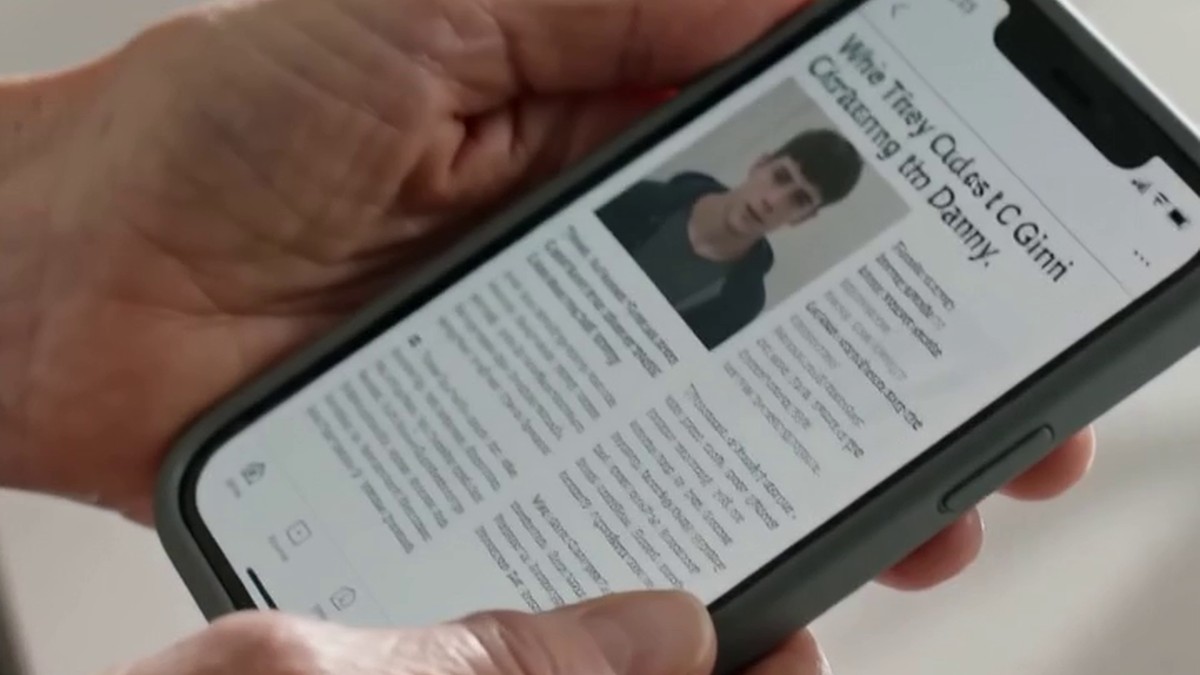
Carol Jennings found the bill in her mailbox on a Tuesday morning, buried at the bottom of a stack of flyers for a grocery store she never shopped at. Thirty-eight dollars past due on the electric account, payment due by Friday. Normally she'd just prop it against the toaster and pay it Saturday like she always did. But this time her hand froze over the number, because that was almost exactly what her son Danny had in his wallet when they took him in on Monday.
She lives in the Hazelwood neighborhood of Pittsburgh, third floor of a walk-up, the kind of building where you still borrow sugar from the woman next door. Danny's a veterinarian, thirty-two, works at a small animal clinic over on Penn Avenue. Monday afternoon he met up with a handful of people outside the city-county building for a quiet demonstration — they just stood there holding signs about utility rates, nobody shouting, nobody breaking anything. Police showed up anyway. Eight people got arrested. Danny was one of them.
Nine days have passed since Monday. All Carol knows is what her neighbor two floors down, Ruthanne, told her — Ruthanne's daughter-in-law works a desk at the county jail and said Danny got transferred downtown, that he's waiting on a hearing, that things are "moving slower than usual these days." Nobody at the station would tell her more. They let her try three phone numbers; two nobody answered, and on the third a voice told her they don't release information about people in custody over the phone.
Danny never had so much as a parking ticket go to collections. The only thing he did wrong, if you could even call it that, was take an hour off from the clinic on Monday, walk over to the plaza, and stand there holding a sign that read: "I CAN'T HEAT MY APARTMENT OR TREAT SICK ANIMALS FOR FREE."
*
Carol packed a bag for him by Wednesday — a spare T-shirt, socks, a razor they'd probably confiscate anyway, and a photo of their cat, Biscuit, because Danny would get bored without something to look at. They wouldn't take the bag. At the intake desk at the Allegheny County Jail, the clerk told her "no one by that name is currently in our system," even though Ruthanne swore up and down she'd seen him getting pulled out of a transport van there on Friday.
Thursday she called a lawyer a coworker had recommended — Carol's worked payroll for thirty years at Mercy Hospital, running numbers for the nursing staff, she can calculate a late fee down to the penny. The lawyer, a tired young woman named Priya Nair, didn't sugarcoat it. "Mrs. Jennings, they're holding people longer than they're supposed to without charges right now, because they know it'll just get lost in the backlog eventually. Nobody's going to get in trouble over it."
"So what do I do?"
"Wait. And don't make noise. At least for now."
Carol knew how to wait. She'd waited her whole life — for Danny to grow out of his teenage years, to finish vet school at Ohio State, to find a girlfriend who'd stick around. But this waiting was different. She went to work, ran payroll numbers that stopped making sense to her, because her head only had room for one number: nine days.
*
Friday morning, walking from the bus stop past the corner pharmacy on Penn Avenue, she ran into Shelby, a vet tech from Danny's clinic. Shelby could barely get the words out — she just pressed a folded receipt into Carol's hand and said, quiet, "Mrs. Jennings, I don't know if this'll help, but clients keep asking for Dr. Danny. I told them he's on vacation. I didn't know what else to say."
On the receipt was a phone number written in pen and a name: Marcus Webb, a reporter with the local paper who was apparently collecting stories on people arrested after the energy protests. Carol didn't sleep that night. She lay there with her phone on the comforter, turning over whether calling a reporter would help her son or make things worse for him.
Saturday morning she called him anyway.
Marcus Webb showed up at her apartment that afternoon with a small recorder and a notebook full of other names — twenty-one of them, people picked up after peaceful demonstrations in cities from Cleveland to Columbus. "Mrs. Jennings, I can't promise this does anything for you specifically. But the more names that get out there, the harder it is for them to just quietly disappear."
Carol gave him a photo from last Christmas, Danny holding Biscuit on his lap, grinning like he didn't know the camera was pointed at him. She mentioned the electric bill too, still sitting unpaid on the counter — almost in passing, but Marcus underlined it twice in his notes. "That's exactly the kind of detail people latch onto," he said. "A man gets arrested for complaining about heating costs, and meanwhile his own mother can't pay her own electric bill because of it."
The story ran online Sunday night, in print Monday morning. Short, straightforward, no flourishes — name, age, occupation, date of arrest, a quote from the lawyer confirming he still hadn't been formally charged. And that line about the electric bill, which the reporter used as his opening paragraph.
*
Wednesday morning — exactly two weeks after the arrest — the phone rang. It was Priya Nair. "Mrs. Jennings, they're releasing Danny. No charges. They're calling it an 'administrative error in processing demonstration participants.' Whatever that's supposed to mean."
Carol was standing at the stove at the time, cooking lunch she'd been making uselessly for two weeks straight, since she always ended up throwing it out anyway. She left the pot where it was and sat down at the kitchen table, in the chair with the wobbly leg Danny had been promising to fix for three years.
She picked him up Thursday afternoon outside the county jail. He was thinner, had a beard he usually shaved off every morning, and carried the same bag she'd dropped off — nobody had ever taken it from him, he just got it back unopened. They stood on the sidewalk and held each other for a long time without saying anything, while the 61 bus rolled past.
Back home, the electric bill was still sitting on the kitchen table — two weeks past due now, with a late fee tacked on, because Carol had deliberately left it unpaid. "I wanted it waiting here for you," she told him. "So you'd see what you left unfinished."
Danny looked at the paper for a long moment. Then he dug his wallet out of the bag — the thirty-eight dollars was still there, nobody had taken it off him when they booked him. He set the bills down next to the bill on the table.
"We'll pay it together," he said. "And then we're sitting down and writing out exactly what happened. Not for the paper. For us. So there's something on record if anyone ever asks about this again."
Carol nodded, gathered up the cash and the bill, and went to get her coat — the post office closed at six, and she wanted to get there before it did.




«Mia nuora vuole scegliere da sola il nome del bambino! Ma nella nostra famiglia è sempre stata la madre del marito a decidere!»
«Mia nuora vuole scegliere da sola il nome del bambino! Ma nella nostra famiglia è sempre stata la madre del...


The $38 Electric Bill
Carol Jennings found the bill in her mailbox on a Tuesday morning, buried at the bottom of a stack of...


The Only Knife in Nana Ruth’s Kitchen
There was one knife in Nana Ruth's kitchen on Culver Street, and it did everything. It shredded the Sunday chicken,...


The Afternoon I Noticed My Father’s Hand on the Table
I'm thirty-eight, I run a dental practice in Tucson, Arizona, and I almost drove past my parents' street that Tuesday...


The Carburetor Shop on Route 9
My name's Danny Kowalski, I'm thirty-four, and I run a transmission shop outside Scranton, Pennsylvania. People love to talk. That's...


The Ledger at St. Brennan’s
My name doesn't matter much here — I've kept the books for St. Brennan's Episcopal in Hartford, Connecticut for nineteen...


What Grant Left in the Nursery Drawer
The last thing Daniel Reyes ever asked me to do was trust a man in a white coat I barely...


The Current
Marina Castellano had worked at the Port Authority office in Cape May, New Jersey, for nineteen years, but that morning...