
EN
The Rooster Bakery

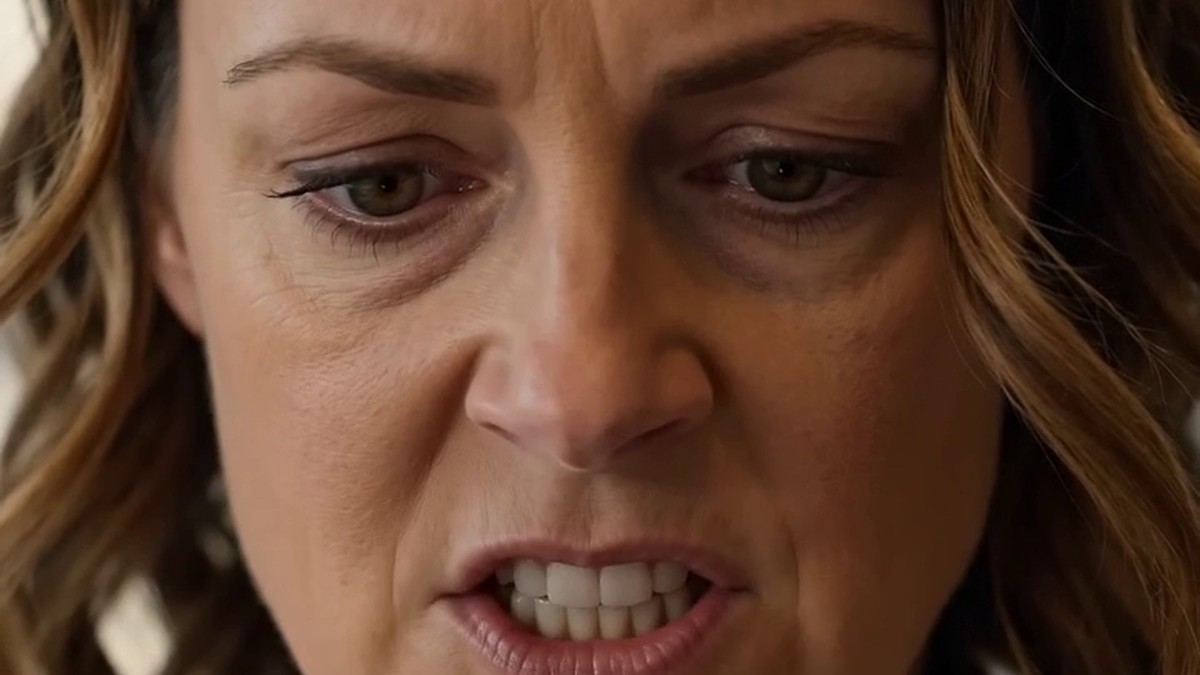
Maggie Hollis stood behind the counter of her shop on Elm Street when her hands froze over the dough. It was a Tuesday morning, late November, cold enough outside that the front window fogged up from the inside, and she knew exactly what was coming — because that same delivery van showed up every Tuesday at 7:30 sharp.
The van belonged to her former business partner, Danny Pruitt. Six years ago they'd opened the bakery together — she knew how to bake, he knew how to run the numbers, and they figured that combination would hold forever. It didn't. They split up a year ago. Maggie stayed in the rented storefront; Danny took the recipes, the flour supplier, and — as it turned out later — the business name itself, which had been registered only in his name, because she'd trusted him back then and never checked the paperwork.
Now he drove around with "Pruitt's Bakehouse" painted on the side of his van, delivering rolls to the same coffee shops that used to be her accounts. He'd even waved at her through the window once. Like it was nothing.
Maggie wiped the flour off her fingers onto her apron and went to unlock the door. The bell over it jangled, and in walked a man in a leather jacket she didn't recognize — Walt Garrity, Danny's accountant, a folder tucked under his arm.
"Ms. Hollis, I need to talk to you about the lease on the back space. The building's being sold — did you know that?"
She didn't. "Why does Danny's accountant care about my lease?"
Garrity shrugged like the question embarrassed him. "Danny had his eye on this building a while back, before you two split. Figured you'd rather hear it from me than read it in a notice." He set a card on the counter and left without waiting for coffee.
That sentence knotted her stomach tighter than anything Danny had ever said to her face. He'd wanted this building once — and now he got to watch her lose it instead.
Three days later she sat in a real estate office near Harbor Square, listening to a young agent explain that the new owner — some investment group out of Charlotte — wanted to convert the space into a co-working office. Her lease ran out in March, she had a ninety-day notice period, and if she wanted to stay, she could try to negotiate a higher rent. Triple the current rate.
That evening she called her sister in Richmond and talked for an hour without once saying what she actually wanted to say. Eventually she just set the phone down and sat at the kitchen table with a cup of coffee going cold, a ring of cream floating on top like the outline of some country she'd never been to.
Then Danny called.
"I heard about the building," he said. "If you want, I could offer you a job. Production manager. Pay wouldn't be bad."
Was it kindness or a dig? She couldn't tell, so she told him she'd think about it, even though in that moment she already knew she'd never work for a man who'd taken her business just by leaving the paperwork exactly as it was.
That weekend she drove out to her parents' place in Lynchburg. Her father, a retired machinist, showed her out in the yard how he'd fixed the lawn mower, and she listened with half an ear until he mentioned something, almost in passing, like it didn't matter:
"You know that old tavern, the Rooster, over by the train station — it's for sale. Owner passed away, and the kids want to unload it fast."
Maggie stopped by on her way back into town. The building was ugly, paint peeling off the front, a broken light fixture over the entrance, but it had something Elm Street didn't — its own back lot, big enough for an oven, and it sat right across from the train station, where thousands of commuters passed every single day.
The asking price from the heirs was $340,000. She didn't have it. But she had something else — a name she'd spent six years building, and customers texting her asking where she was moving to.
She set up a meeting at a bank downtown. The loan officer was maybe thirty, and when she heard Maggie wanted a business loan without property to put up as collateral, she just shook her head.
"Without collateral, it's not going to happen, Ms. Hollis. Unless you've got a co-signer or a guarantor."
That night she called her father. Not to complain — to ask if he'd put up the Lynchburg house as collateral. It was the only thing he had, besides his pension.
He went silent long enough that she thought the call had dropped.
"How much do you need?"
"Three hundred fifty thousand. Maybe more, for equipment."
"Come out Sunday. We'll talk it over with your mother."
On Sunday they sat at the table with the embroidered tablecloth her grandmother had made. Her mother poured coffee, filling cups that hadn't even gone empty yet, circling the table twice before setting the pot down and taking her seat. Her father spread out the printout Maggie had brought, smoothed it flat with his palm like he was trying to iron out something words couldn't fix. He looked at the signature line, then at Maggie, then back at the paper.
"If this doesn't work out," he said, "we lose the house I was born in."
"It'll work," Maggie said, though she wasn't even half sure of that herself.
Her father signed. His hand didn't move at all, which to Maggie felt worse than if it had shaken.
The following week, Maggie sat across from the same loan officer, the deed to her parents' house now in the file between them. The officer read through it twice, flipped to the signature page, and tapped it with her pen.
"With the Lynchburg property as collateral, I can take this to underwriting today," she said. "If it clears, you'll have funds released by end of month — building purchase first, equipment line after that." She picked up the phone right there at her desk and left a voicemail for someone named Carl in commercial lending. Nine days later, the call came through: approved. Maggie signed where the officer pointed, and the money moved into escrow for the building, then, three weeks after that, into a second disbursement for the oven and the walk-in cooler.
Through the winter, everything moved faster than she expected once the funds cleared. The notary, the closing on the building, the permits for the renovation — it all piled on at once, and Maggie ended up hiring a young contractor named Eli, who suggested cutting the oven right into the front window so people coming out of the train station could see the steam rising off fresh bread from the sidewalk. The renovation ran six weeks over schedule because the chimney flue had to pass inspection twice, and during that stretch Maggie slept on the couch in Eli's office, since her apartment was already packed up and the Elm Street shop was closed for good.
In March, three days before her old lease ran out, she got an email from Danny. He wanted to buy her old bakery oven — the one she wasn't moving, since she'd bought a new one. He offered a fair price, no jokes, no digs.
She wrote back short: "Fine, you can pick it up Thursday."
Thursday he showed up in person, not in the branded van but in his own car. He stood in the doorway of the half-emptied shop, looking at the boxes of her old equipment.
"Where are you moving to?"
"By the train station. The old Rooster building."
Something shifted in his face — the building he'd had his eye on once, gone to her instead. "That's a big move. How are you financing it, if you don't mind me asking?"
"That's none of your business," she said. She picked up the oven's cord, coiled it neat in her hand, and set it on top of the unit for him to carry, nothing left to say about it.
The night before opening, Maggie spent alone in the new bakery, because she wanted the first bake in the new oven to happen without witnesses, in case something went wrong. Something went wrong. At three in the morning the oven wouldn't hold its temperature — the dial on the thermometer stuck around two hundred fifty degrees no matter how much fuel she fed it. She called the repairman Eli had lined up, who, half-asleep on the phone, said it could be a bad thermostat or a door seal, and that he wasn't sending anyone out before seven. The grand opening was set for nine Saturday morning.
Maggie knelt in front of the oven with a flashlight clenched between her teeth, unscrewing the panel over the thermostat, her hands slick with sweat even though the room was freezing. At four-thirty she finally found a loose connection, tightened it with a wrench her father had given her back in Lynchburg "just in case," and watched the temperature needle climb, jerky but steady. By six the oven held at four hundred twenty-five degrees, and the first loaf went in.
At seven her parents showed up. Her father didn't ask if everything was okay — he just looked at her soot-blackened fingers and handed her a rag without a word.
By eight-thirty, half an hour before opening, the street outside stood empty. One old man walking his dog crossed to the other side without looking back. Maggie stood by the window with a tray of rolls, her throat tightening — maybe the whole thing was a mistake, maybe people from the station walked a different route, maybe the $350,000 in debt sitting on her parents' house was about to dissolve into the silence of an empty street.
Then the doors of the train station across the street swung open, and a crowd of commuters poured out, heading to work. The first woman, in a blue coat, stopped at the window, caught the smell, and pushed open the bakery door before Maggie even had a chance to flip the sign to "Open."
"Is this the new place? It smells like heaven in here," the woman said, already reaching for her wallet.
Maggie handed her a warm roll and rang up the first sale on the register she'd bought secondhand the week before. Behind the woman a line was already forming, stretching down to the corner. Her father stood by the oven in back, one hand resting on the hot brick casing, watching his daughter bag up bread faster than she ever had on Elm Street.




The Workshop on Birchwood Lane, Thirty Square Feet of Silence
Carol Whitfield switched off the iron and only then realized she'd been standing there for five minutes, pressing the same...


The Rooster Bakery
Maggie Hollis stood behind the counter of her shop on Elm Street when her hands froze over the dough. It...


Il peso di un invito
La prima cosa che Celeste Marchetti notò del mio abito fu il colore. La seconda fu che non mi vergognavo...


Alessandro aprì la cartellina con un sorriso arrogante, come se fosse convinto di trovarci qualche documento privo di valore.
Alessandro aprì la cartellina con un sorriso arrogante, come se fosse convinto di trovarci qualche documento privo di valore. Ma...


The Denim Jacket That Cost Her a Business Partner
Renata Castellano turned sixty-two in March, and she still ran the front counter of her own tailoring shop on Fillmore...


The Folder on Hollyhock Lane
I knocked on my daughter's door the same week her name showed up on Channel 7 News with a number...


Dana Pruitt Didn’t Wobble, and the Calloways Finally Paid $186,000
I've fitted hems at Calloway's Department Store on Bull Street for nineteen years. I know the smell of that building...


Il peso che mio nipote Nicolò non voleva portare
Mi chiamo Edoardo Ferraris, ho quarantatré anni, sono geometra e vivo a Bergamo con mia moglie Chiara e i nostri...